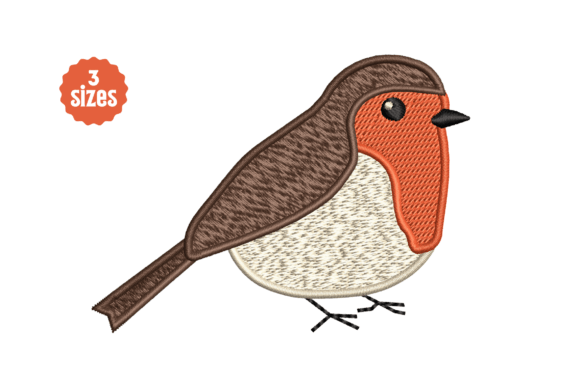
Robin Winter Bird Embroidery Design Review
If you're preparing for a weekend craft fair or planning your next handmade market display, the Robin Winter Bird machine embroidery design is one worth considering. As an experienced embroidery designer with years of booth setups and product testing under my belt, I've seen what grabs attention—and what doesn’t. This design has the potential to elevate your offerings, but only if you know how to showcase it right.
First Impressions: Bold and Festive with a Handmade Feel
The name alone—Robin Winter Bird—conjures imagery of cozy winters, forest walks, and nature’s charm. Upon first look, the design feels both bold and festive, thanks to the textured stitch style on the red belly and wings. It's not just another bird; it carries a sense of warmth and whimsy that can easily align with seasonal themes like Christmas markets or winter-themed Etsy listings.
What stands out immediately is the visual depth. The texture in the embroidery gives it a premium feel, which is essential for small shop products that compete with mass-produced items. Customers will notice this subtle detail when they run their fingers over the stitching, especially if you place a sample on a soft fabric like felt or flannel. That kind of tactile experience can turn a glance into a sale.
Where Robin Winter Bird Shines Best
While the design is versatile, certain products make it pop more than others. Here’s where I see the most potential:
- Tote Bag Designs: The Robin Winter Bird adds a charming focal point to reusable tote bags. Its size and texture work well on cotton or canvas, and the design photographs beautifully against light backgrounds. A great choice for a craft fair product that customers can use year-round.
- Apron Embroidery: Place the design near the waistband or on the pocket of a kitchen apron. It adds personality without being overwhelming. Think farmhouse-style or rustic holiday themes.
- Tea Towel Embroidery: The textured stitches really come alive on linen or woven cotton tea towels. Just be cautious with very thick or absorbent fabrics—test the stitch density to avoid puckering.
- Embroidered Patches: This design translates well into patches, especially for collectors or as part of a custom patch kit. The red belly and wings are eye-catching and easy to identify at a glance.
- Fabric Pouches & Pillow Covers: On smaller pouches, the design needs to be scaled appropriately to maintain clarity. For pillow covers, a larger version would serve as a decorative centerpiece, perfect for boutique-style displays.
- Caps & Market Bags: If you’re selling embroidered caps, position the design slightly off-center for balance. On curved surfaces, ensure the file includes proper arc settings. For market bags, the boldness of the Robin works well in monochrome thread schemes, especially with black or navy bases.
Handmade Gifts with Visual Appeal
As an embroidery business owner, I recommend using Robin Winter Bird on giftable handmade items like mugs, ornament covers, or even personalized sweaters. These products allow you to highlight the handmade quality and brand consistency through thoughtful placement and color choices. The design has enough character to stand out in a sea of generic gifts.
Production Practicality: What You Need to Know Before Batching
When choosing an embroidery file for commercial use, practicality is key. The Robin Winter Bird is relatively straightforward to produce, but there are a few points to consider before jumping into batch production:
- Test on Scrap Fabric: Always test the design on different types of fabric to see how the stitch density holds up. Some areas may require extra stabilizer, especially if you're working with stretchy or thin materials.
- Check Thread Contrast: While the description mentions the red belly and wings, thread colors should be carefully chosen based on the background fabric. Darker threads might blend too much, while lighter ones could lose definition. Try placing the design on gray, white, or olive green for maximum impact.
- Review Spacing and Hoop Size: Ensure the design fits within your hoop size and maintains spacing integrity across multiple placements. If you plan to repeat the design (like on a panel of aprons), confirm the overall layout won’t cause distortion or overlap.
- Create Real Mockups: Use the digital embroidery file to create physical samples. Seeing the design in person helps determine its visual appeal and whether it feels premium or rushed.
- Confirm Commercial Licensing: Before turning this into a commercial embroidery product, verify the licensing terms. Many free designs restrict resale, so always double-check to avoid legal issues later.
Photography Tips for Online Listings
For Etsy sellers and online handmade product retailers, good photography is everything. The Robin Winter Bird design photographs exceptionally well due to its contrasting textures and colors. To capture its best features:
- Use natural lighting to highlight the stitch texture.
- Zoom in on the belly and wing details to show craftsmanship.
- Place the finished item against a neutral or seasonal backdrop to enhance mood.
These tips help create compelling printable mockups and product shots that draw in buyers and increase engagement on your listings.
Design Notes: Tiny Details and Careful Use
Although the Robin Winter Bird appears simple, there are nuances that require attention. The design features tiny details such as facial expressions and feather outlines, which can get lost if the scale is too small. For example, on a cap or a mini pouch, the eyes and beak must remain clear to retain the design’s expressive charm.
Also, be mindful of stitch density in the belly and wing areas. These sections are likely denser to achieve the textured effect. If you're using a home embroidery machine, ensure your system can handle these areas without skipping stitches. A high-quality digital embroidery file should include layers or split stitches for better control.
Dark fabrics may dull the vibrancy of the red accents. Consider lighter or medium-toned bases for the best visibility. Textured towels or thick canvases may also require additional support from the back to prevent shifting during the embroidery process.
Customer Engagement and Booth Display Strength
At a craft fair or handmade market, the goal is to catch the customer’s eye quickly. The Robin Winter Bird does this naturally—it’s instantly recognizable and evokes a sense of comfort and familiarity. Whether it’s perched on a tote bag or flying across a pillow cover, it invites interaction.
Placing a few samples around your booth—like a hanging embroidered cushion or a set of matching aprons and tea towels—can significantly boost buyer engagement. The design’s cohesive look allows for a unified booth display, reinforcing your brand identity as a seller of quality, nature-inspired embroidery products.
Final Thoughts for Craft Fair Success
The Robin Winter Bird is more than just a pretty machine embroidery design—it's a statement piece that can anchor your entire line of small shop products. Its ability to adapt to various textiles and styles makes it a strong contender for both seasonal and evergreen items.
However, don’t rush into production. Take the time to compare fabric colors, inspect stitch density, and review design assets thoroughly. A little preparation goes a long way in ensuring the final product feels handcrafted and valuable to your customers.
If you're looking for a design that balances beauty and functionality, Robin Winter Bird is a solid choice. With the right application and presentation, it can become a standout feature in your handmade market offerings, drawing attention and increasing sales—especially during the colder months when nature-themed items are in demand.