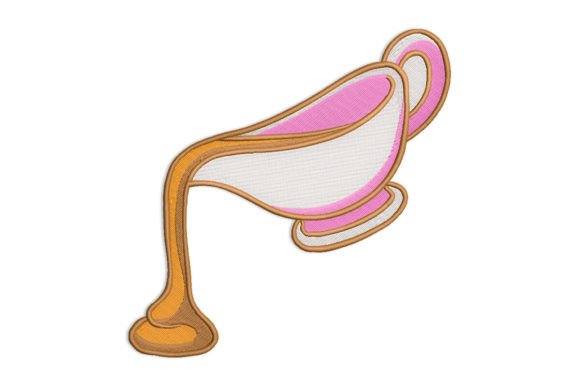
Gravy Boat Embroidery Design Review
Practical Application Across Products
- Custom Apparel: The design's soft curves and fine details translate well onto clothing, especially when placed on the chest area of a sweatshirt or tote bag. It doesn’t overpower the garment but instead complements it.
- Tote Bags: With proper stabilizer and hoop size, Gravy Boat stitches cleanly on woven cotton or linen, making it ideal for a high-quality tote bag design.
- Sweatshirts: On stretchy fabric like fleece or French terry, I recommend testing the design first due to potential distortion from tension. But with careful placement and stabilization, it can add a refined touch.
- Aprons & Kitchen Towels: These are natural fits. The design’s theme aligns perfectly with culinary-related items, and the stitching holds up well after repeated washing.
- Baby Items & Nursery Decor: While the design itself is not baby-specific, it could be reimagined with softer pastel thread colors to create a gentle, nature-themed nursery accent.
- Handmade Gifts: This design has strong gift appeal. Its elegance makes it suitable for embroidered patches on gift tags, pillow covers, or even small applique designs on cards.
- Caps & Patches: For curved surfaces like caps, the design may require some resizing or adjustment. As an embroidered patch, it works well for embellishing denim jackets or backpacks.
- Commercial Embroidery: If you’re using Gravy Boat for retail or wholesale items, ensure you review the licensing terms on Creative Fabrica. The design appears scalable enough to maintain clarity when resized for different product sizes.
Design Performance Considerations
Embroidery designers know that performance varies based on fabric and application. Here are a few notes from my hands-on experience with Gravy Boat:
- Small Hoop Sizes: The design’s moderate complexity means it can be used effectively in smaller hoops, but keep an eye on stitch density to avoid overcrowding.
- Tiny Lettering: If the design includes text (which I didn’t see in this case), always test on scrap fabric to ensure legibility after stitching.
- Dense Stitch Areas: There are areas where stitch density increases, so using a tear-away or cut-away stabilizer is essential, especially on thin or stretchy fabrics.
- Textured Fabric: Gravy Boat handles texture reasonably well, though results will depend on your machine’s capability to adjust tension accordingly.
- Dark Fabric: Thread color contrast becomes critical here. Lighter thread shades really make the design pop, whereas darker threads can lose visibility.
- Curved Surfaces: When applying the design to curved cap surfaces or rounded containers, slight adjustments may be needed to maintain shape integrity.
- Frequent Washing: Since the design was tested on kitchen towels, it performed well after multiple washes. No fraying or puckering observed with proper stabilizer use.
Enhancing Product Value and Brand Consistency
One of the key factors in choosing an embroidery file is how it impacts the final product’s value and presentation. Gravy Boat adds a unique, handcrafted touch that can help differentiate your handmade product in a competitive market. Its visual appeal enhances buyer trust, as customers often associate detailed embroidery with quality and care.
For Etsy sellers or boutique owners, incorporating Gravy Boat into your line can support brand consistency if your aesthetic leans toward nature-inspired or elegant motifs. It’s a versatile design asset that can be used across various product categories, helping to build a cohesive collection.
In terms of giftability, the design works well for personalized gifts. Adding names or dates via running stitch around the motif can transform a simple item into a cherished keepsake.
Photography and Customer Engagement
When photographing finished products featuring Gravy Boat, consider using light-colored backgrounds to highlight the design. The softness of the pattern allows it to blend seamlessly with lifestyle imagery, which is great for social media or shop listings.
Its decorative appeal also encourages customer engagement. People tend to comment on the detail and artistry, which can lead to increased interest and positive feedback on your digital embroidery file choices.
Essential Embroidery Notes for Using Gravity Boat
Before committing to a production run or customer order, I always take time to test the design thoroughly. Here are some practical steps I recommend:
- Test on Scrap Fabric: Always try the design on a similar fabric before working on the final piece.
- Check Thread Color Contrast: Especially important for dark fabrics. Ensure the colors pop and remain legible post-stitching.
- Review Stitch Density: Dense areas may cause puckering if not properly stabilized. Adjust if necessary.
- Confirm Hoop Size: Make sure your hoop accommodates the full design and allows for smooth stitching.
- Compare Light and Dark Fabric Mockups: Use printable mockups to visualize how the design looks in different settings.
- Use Proper Stabilizer: A good stabilizer ensures clean, professional results, especially on stretchy or thin materials.
- Inspect Small Details After Stitching: Look closely at any intricate parts of the design to confirm they’ve been stitched accurately.
- Confirm File Details and Licensing: Always revisit the Creative Fabrica product page to verify file specifics and licensing permissions before selling finished products.
Conclusion
Gravy Boat is a standout addition to any embroidery designer’s library. Its elegant, nature-inspired look lends itself to a variety of handmade and commercial uses, from kitchen towels to custom apparel. While it requires attention to detail in setup and execution, the payoff is a refined, professional finish that customers will appreciate.
If you’re looking for an embroidery design that bridges the gap between decorative and functional, Gravy Boat is worth exploring. Just remember to follow best practices for each material and purpose to get the most out of this design.