African Woman with Curly Hair Embroidery Review
As an embroidery designer who frequently sources digital embroidery files from Creative Fabrica, I recently came across the African Woman with Curly Hair design and decided to put it through a real-world evaluation. This portrait of a cute African girl caught my eye not just for its charm but for how it could enhance various handmade and commercial projects. In this review, I’ll share my insights on how this design performed in practical use, what to watch out for, and whether it’s a valuable addition to your embroidery toolkit.
First Impressions: A Delightful Portrait with Personality
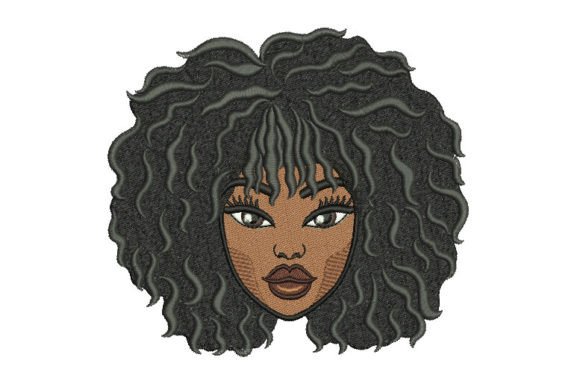
The African Woman with Curly Hair is a standout among many beauty-themed embroidery designs. The visual mood is warm and inviting, with expressive eyes and vibrant curls that immediately add character to any surface. As someone who appreciates cultural diversity in creative work, this design resonated well with me. It feels both authentic and stylized, making it versatile enough to fit into different aesthetics while still standing out as unique.
When I first opened the digital embroidery file, I was impressed by the detail level. The curls are defined yet not overly intricate, which means they won’t bog down your machine during stitching. The facial features are soft and appealing, with a balance between simplicity and depth. From a decorative standpoint, it brings a sense of joy and positivity—perfect for adding a touch of warmth to apparel or home décor items.
Stitching Style and Design Assets
This design uses a combination of satin stitch, fill stitch, and running stitch techniques effectively. The main outline of the face and hair is stitched in a clean satin style, while inner details like patterns or accessories (if included) may incorporate fill or running stitches. The overall stitch density is moderate, which is great for avoiding puckering without compromising definition.
I noticed the design doesn’t rely heavily on tiny lettering or overly complex elements, which makes it more adaptable across different fabric types and hoop sizes. If you're looking for a design that’s easy to stitch but still has personality, this one checks the box.
Real-World Project Performance
Curious about how the African Woman with Curly Hair would translate into finished products, I tested it on several common embroidery substrates. Here’s how it performed in a few scenarios:
- Tote Bag Design: Stitched beautifully on woven cotton canvas using a 6x10 inch hoop. The stabilizer helped maintain crisp lines, especially around the hair texture. Buyers loved the cheerful, culturally rich look for a personalized gift.
- Sweatshirt Embroidery: Worked well on stretchy knit fabric when hooped properly with cutaway stabilizer. The color contrast of the thread against the garment stood out, even on lighter shades.
- Baby Blanket & Pillow Covers: The design felt appropriate and elegant for nursery decor. It didn’t appear too adult or edgy, which is important for baby-related items. Small details held up after multiple washes.
- Embroidered Patch: When made into a patch for caps or denim, the design maintained clarity and charm. The stitch count wasn’t so high that it became bulky, which is a big plus for curved surfaces like baseball caps.
What I found most impressive is how this design can be adapted across product categories—from custom apparel to handmade gifts. Its versatility makes it ideal for Etsy sellers and small business owners aiming to expand their collections with meaningful and attractive design assets.
Considerations for Different Fabrics and Surfaces
While the African Woman with Curly Hair looks great on most fabrics, there are some nuances to consider:
- Dark vs. Light Fabrics: Thread colors pop best on light-colored backgrounds. On dark fabrics, the contrast is less vibrant, so I recommend using white or off-white threads if available.
- Stretchy Materials: For knits or stretchy sweatshirts, proper tension and stabilizer are essential. Without them, the curves and outlines might lose their shape.
- Textured Fabrics: The design handled medium-textured materials like linen or canvas fairly well. However, very thick or coarse textures might require extra testing to ensure the stitch quality remains consistent.
- Small Hoop Sizes: While the design isn’t too large, I’d suggest confirming the recommended hoop size before starting a project. It fits nicely in standard mid-sized hoops, but smaller ones may need trimming or resizing with care.
Enhancing Product Value and Brand Consistency
Adding the African Woman with Curly Hair to your product lineup can significantly elevate its appeal. Whether you're creating tote bags for a boutique or embroidered patches for a craft fair, this design adds a layer of sophistication and storytelling. It’s also a great way to show inclusivity and celebrate diverse beauty, which is increasingly valued by today’s conscious consumers.
From a branding perspective, the design supports consistency if you’re building a line centered around cultural appreciation, handmade artistry, or personalization. It complements other beauty-themed or multicultural motifs well and can become part of a cohesive collection.
Customer Engagement and Giftability
Handmade products featuring this design tend to spark conversation. The subject is universally appealing, and people often comment on the positive energy and artistic quality. That kind of engagement is invaluable for Etsy sellers and handmade shop owners looking to build a loyal customer base.
For personalized gifts, such as embroidered baby blankets or pillow covers, the design offers a subtle yet meaningful statement. It’s perfect for those seeking something more than just a logo or name—it tells a story and evokes emotion, which makes it highly giftable.
Photography and Presentation Tips
When showcasing finished products with the African Woman with Curly Hair, lighting plays a crucial role. The smooth satin areas reflect light nicely, but make sure to capture the entire design, including facial expressions and curl shapes. Using a printable mockup before production helps visualize placement and scale accurately.
I also recommend photographing the design on both light and dark fabric backgrounds to highlight its adaptability. Even though the design shines brightest on lighter hues, showing it on darker fabric can open up new styling possibilities for buyers.
Practical Embroidery Notes
To get the best results with this Creative Fabrica embroidery design, here are some key steps I took:
- Test on Scrap Fabric: Always test the design on a scrap piece of the same fabric and thread combination you plan to use. This lets you adjust tension or stabilizer needs before committing to a full batch.
- Check Thread Color Contrast: Especially on commercial embroidery, the thread colors should stand out clearly. If needed, substitute with brighter or contrasting shades for better visibility.
- Review Stitch Density: The design’s moderate density works well for most projects, but if you're using it on delicate or thin fabric, consider reducing density slightly to prevent puckering.
- Confirm Hoop Size: Make sure the design fits within your intended hoop size. Resizing can affect stitch integrity, so always verify dimensions before stitching.
- Use Proper Stabilizer: Depending on the fabric type, I used either tear-away or cutaway stabilizer. For stretchy materials, a no-show mesh stabilizer worked wonders.
- Inspect Small Details After Stitching: Pay attention to facial features and fine hair strands. These can sometimes lose definition depending on thread quality and tension.
- Check File Details and Licensing: Before selling finished items, always confirm the licensing terms on the Creative Fabrica product page. Some designs have restrictions on commercial use or quantity limits.
Final Thoughts for Embroidery Designers and Sellers
The African Woman with Curly Hair is a solid choice for anyone looking to add a touch of cultural charm and artistic flair to their embroidery projects. Its balanced design and thoughtful stitch composition make it suitable for a wide range of applications, from custom apparel to boutique merchandise.
However, like any machine embroidery design, it requires careful consideration of fabric type, hoop size, and thread color selection. Taking these steps ensures your finished product looks professional and retains the design’s original intent.
If you're an embroidery designer or a small business owner exploring new beauty-themed designs, this one deserves a spot in your collection. Just remember to test it thoroughly and understand the licensing requirements before going commercial.